The Seattle Heat Pump Company: Ducted Heat Pump Installation in Seattle, WA
Heat pump installation in Seattle starts with the house, not the box. We size whole-house ducted systems to a room-by-room load calculation for Seattle's 24°F design day, test the ducts before choosing equipment, and publish Seattle-area price ranges so you can judge a quote before you call.
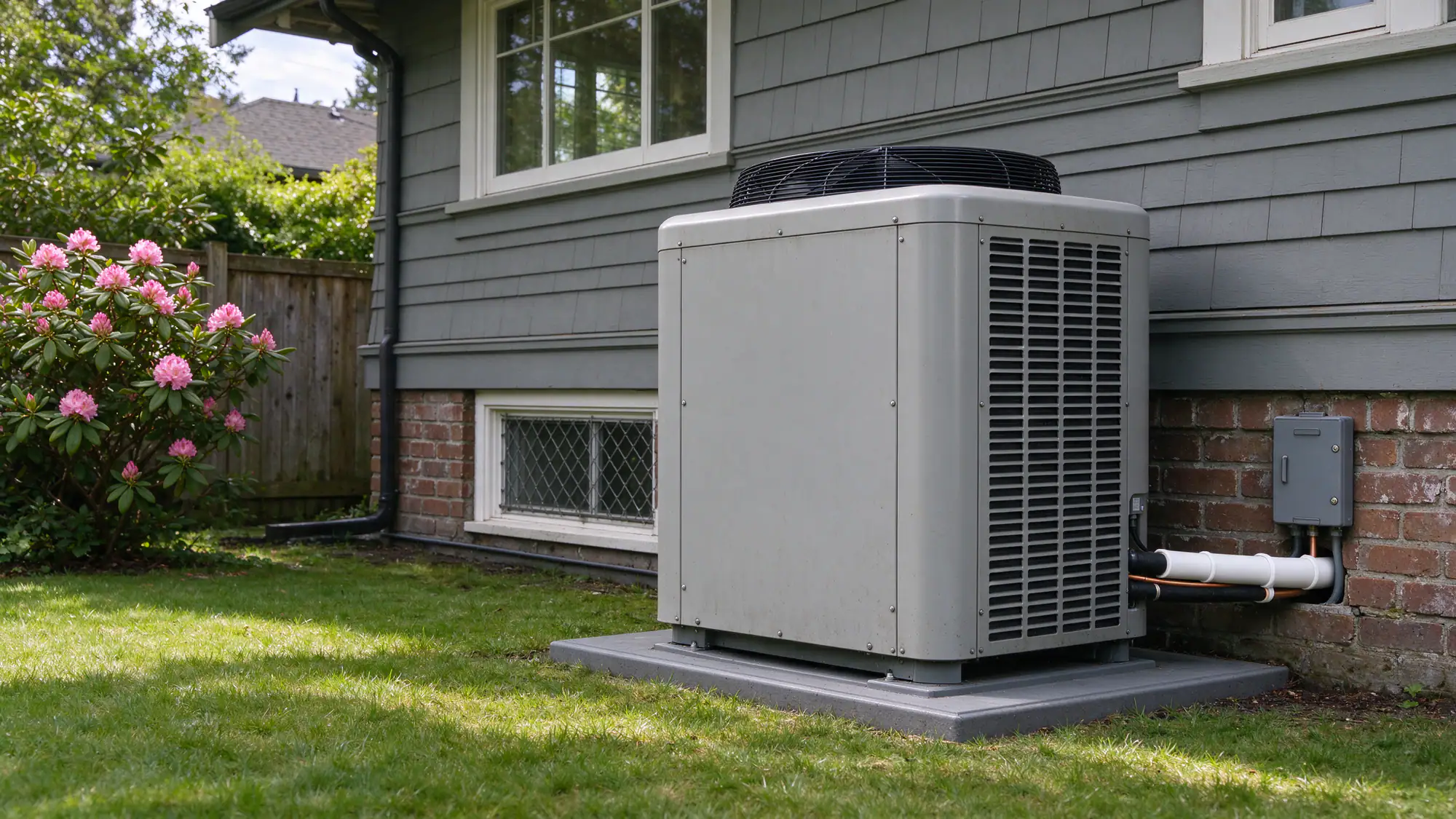
// SEATTLE-AREA BUDGETING RANGES
Typical ranges for Seattle-area projects, not quotes. See what moves the number →
// WHAT BROUGHT YOU HERE
Four situations behind most Seattle heat pump projects
The oil furnace is on borrowed time
The city estimates roughly 7,000 Seattle homes still burn heating oil. A conversion replaces the furnace with a heat pump and decommissions the tank, and Seattle Clean Heat takes $2,000 off a qualifying system.
Oil to heat pump conversion →The furnace and the AC are both aging out
One heat pump on your existing ducts can replace the air conditioner and carry most of the heating. Whether the gas furnace stays as backup depends on its age and on which utility sells you electricity.
Furnace to heat pump conversion →Last summer was miserable
Sea-Tac hit 108°F in June 2021, and cooling degree days have nearly doubled since the 1990s. A heat pump cools the house like central air, then heats it all winter on the same ducts.
Central air alternative →The current heat pump is failing
Since January 1, 2026, new systems in Washington must use refrigerants with a global warming potential under 750. That rules out R-410A and changes what a replacement involves, from the indoor coil to the line set.
Heat pump replacement →// SERVICES
Ducted heat pump work across Seattle and King County
The Seattle Heat Pump Company plans and manages each project, and the work is carried out by licensed and insured contractors.
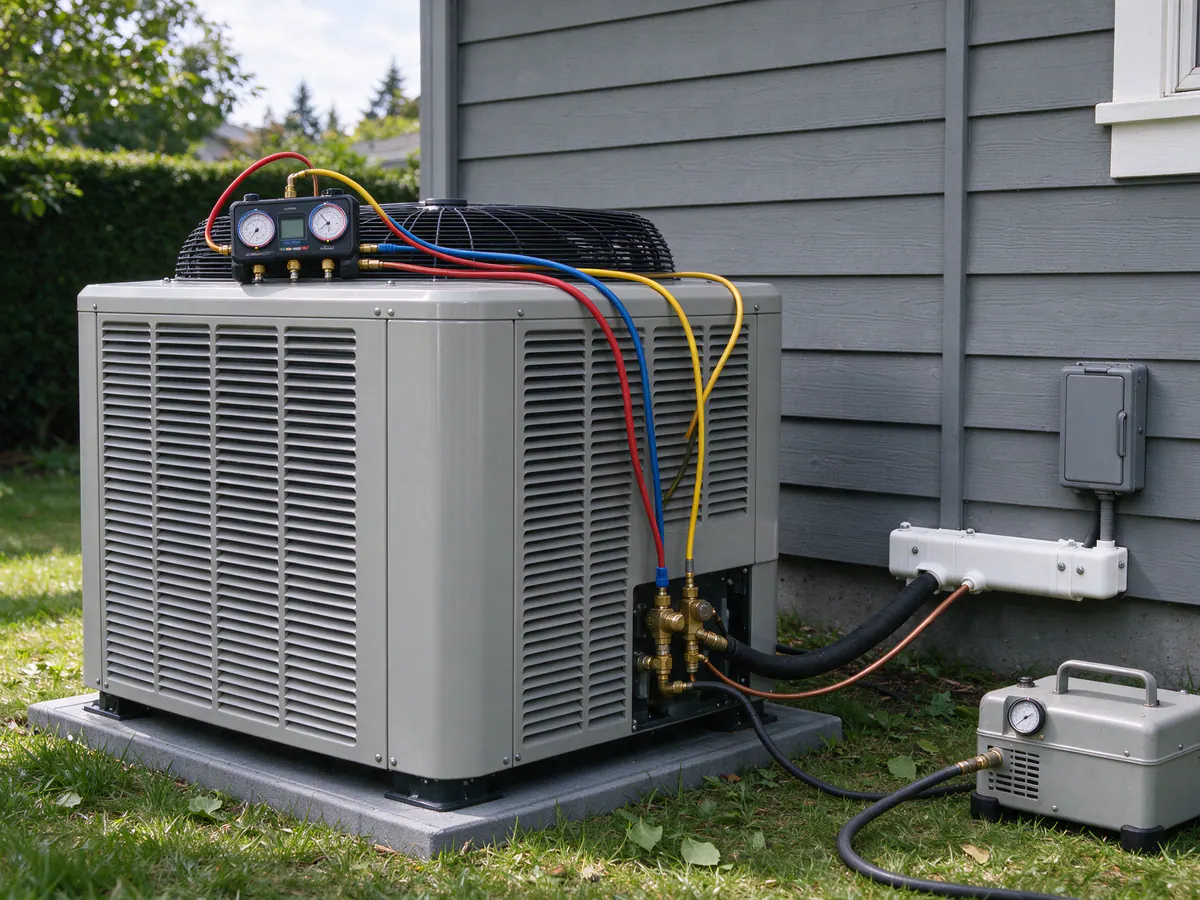
Ducted heat pump installation
Load calculation, duct testing, line set, permits and commissioning.
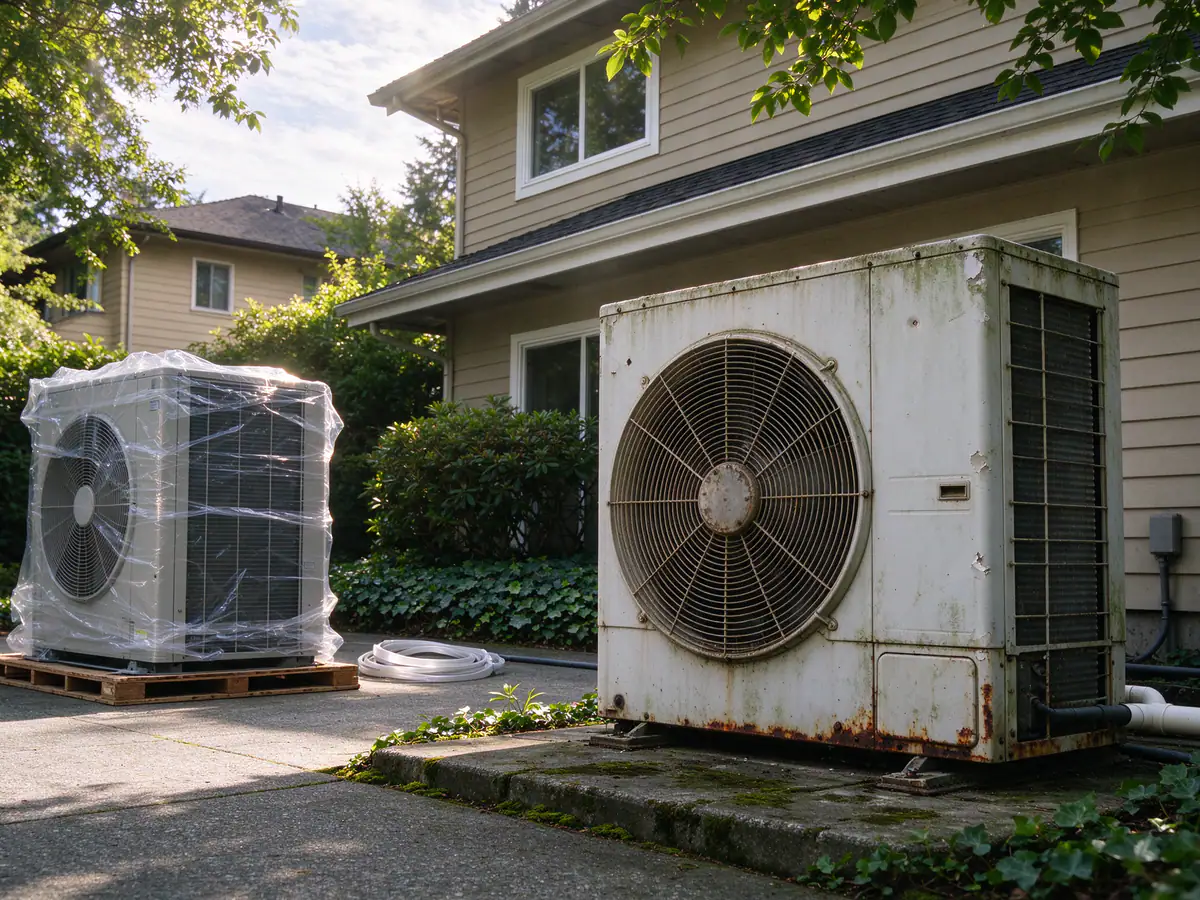
Heat pump replacement
New refrigerant rules, matched indoor coil.
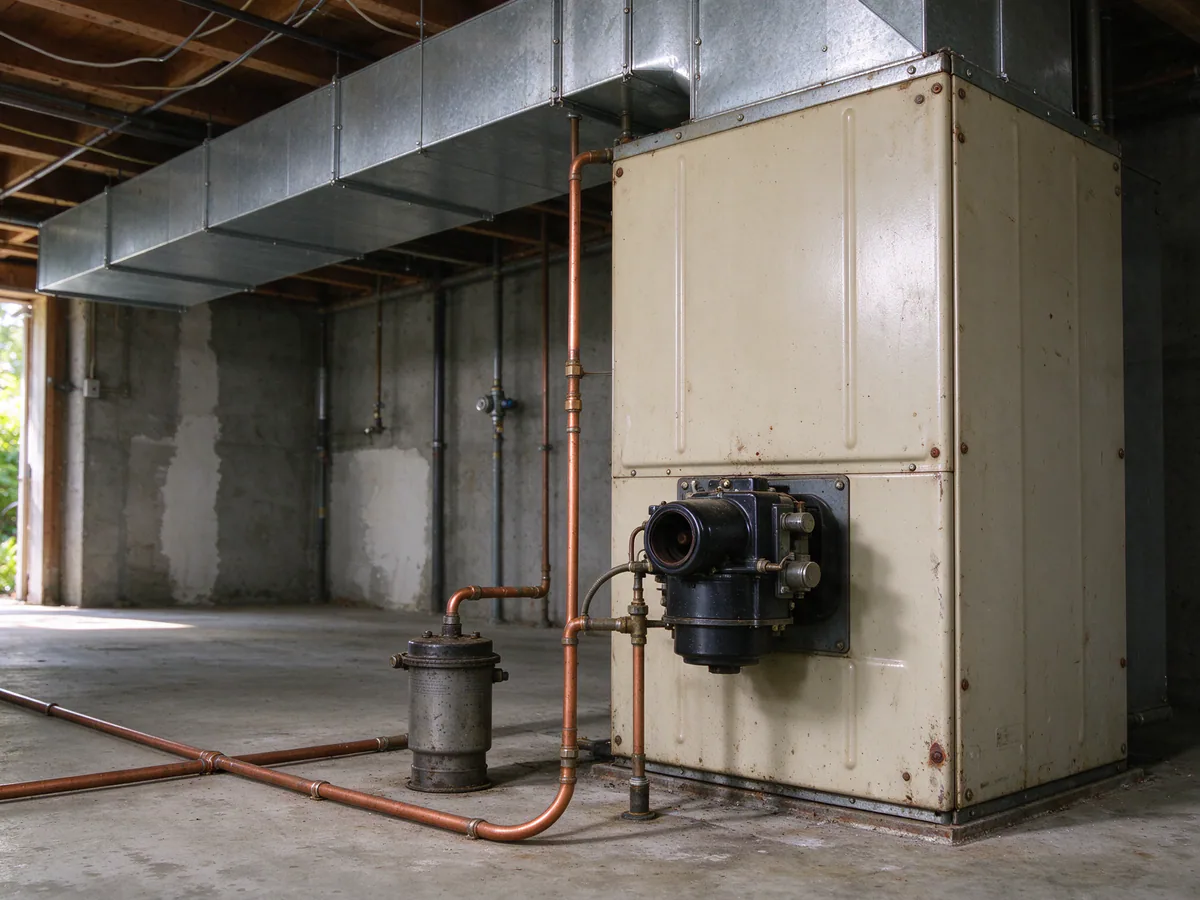
Oil to heat pump conversion
Oil furnace out, tank handled, rebates checked.
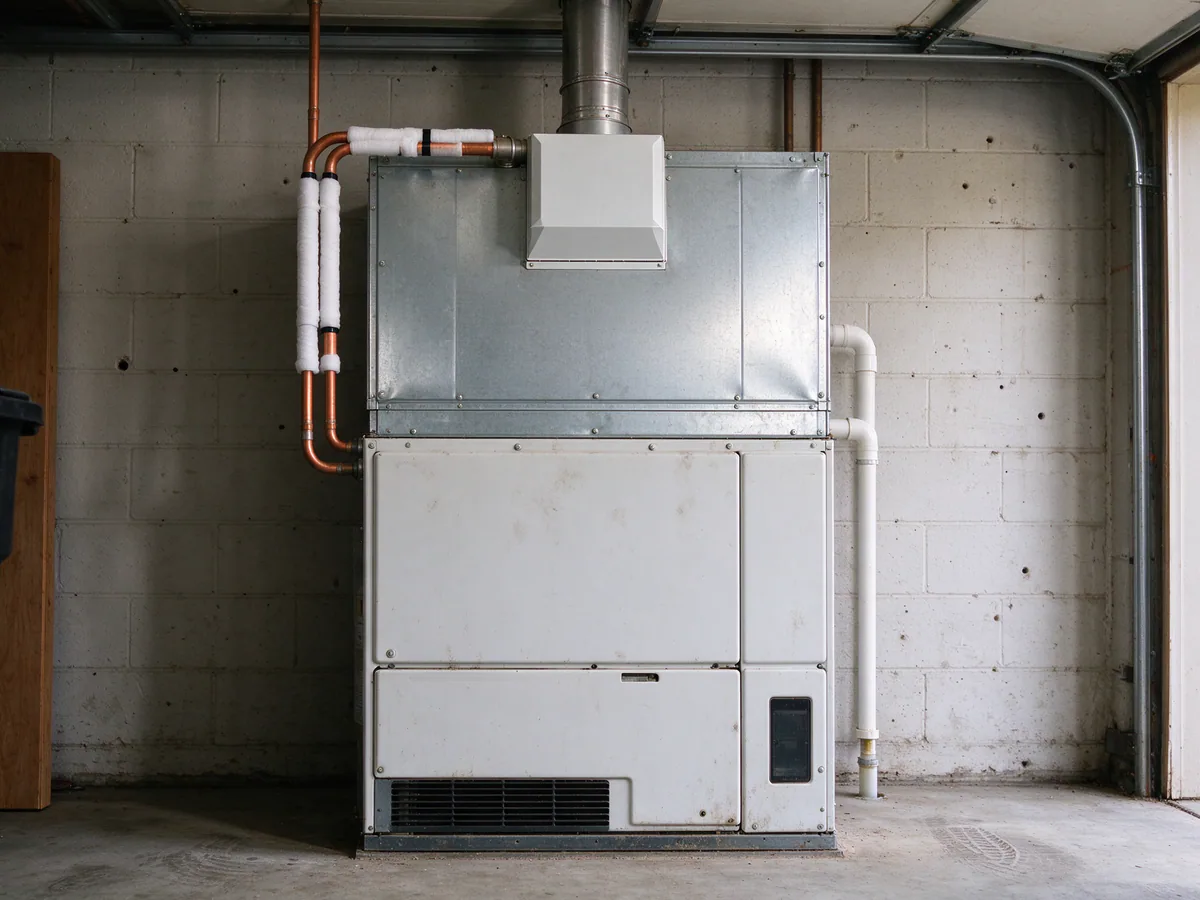
Furnace to heat pump conversion
Retire the gas furnace or keep it as backup.
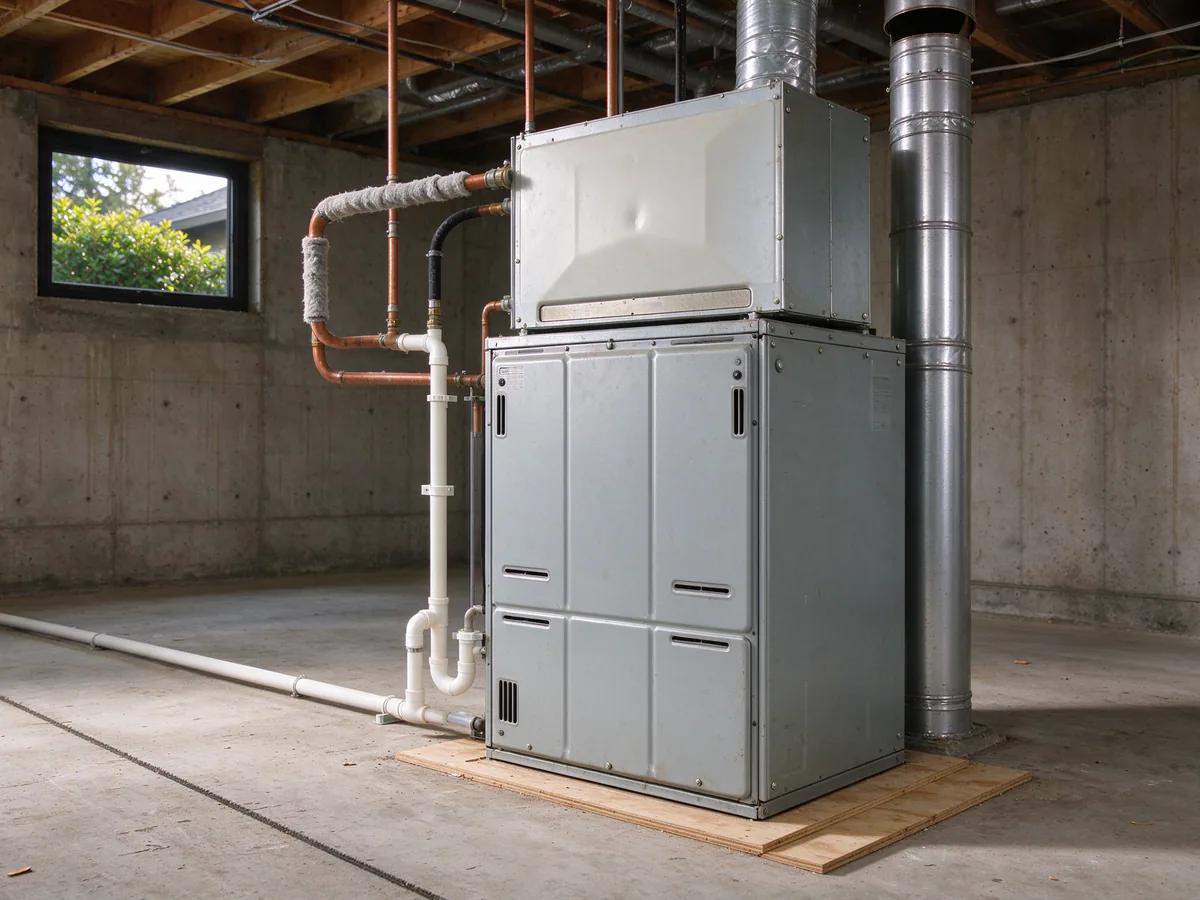
Dual fuel heat pump
Heat pump most hours, gas below a set temperature.
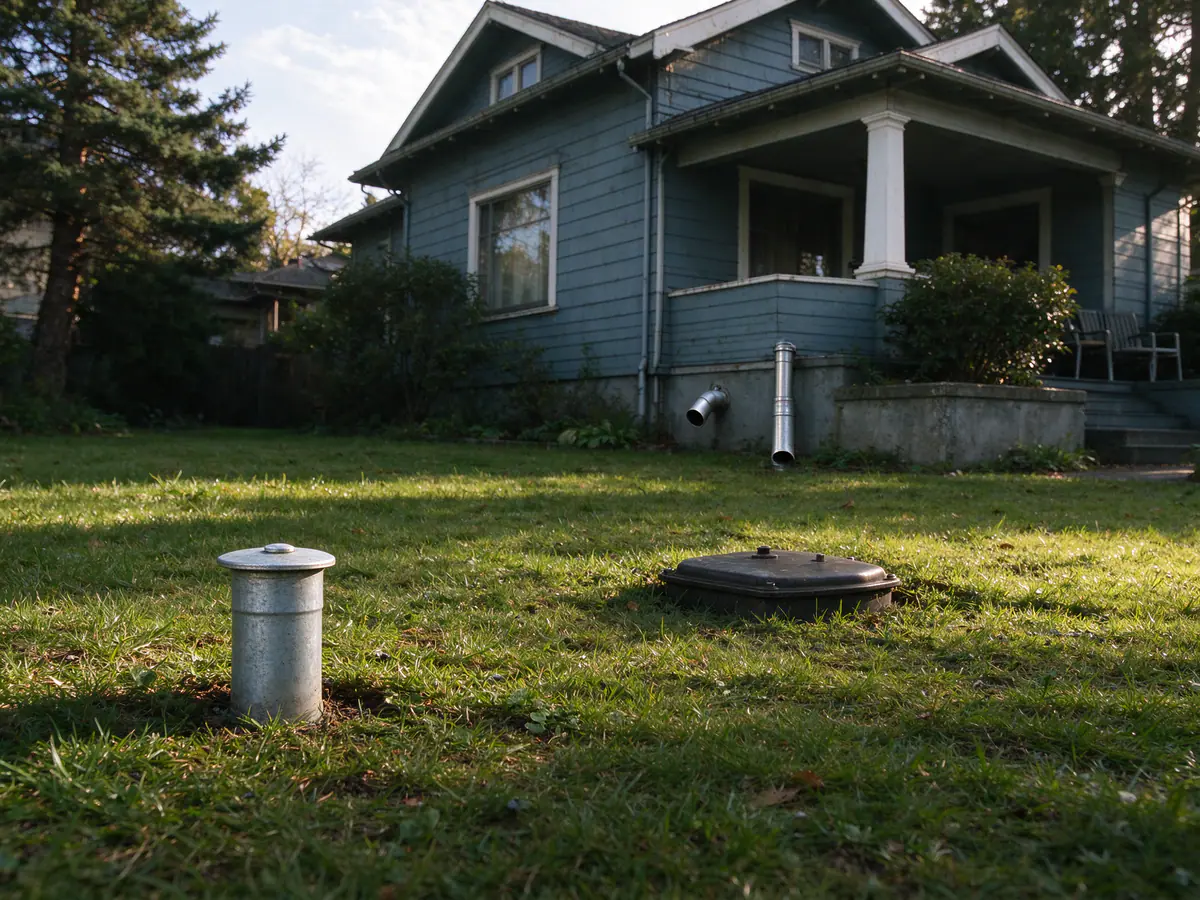
Oil tank decommissioning
Fire permit, pump-out, fill in place or removal.
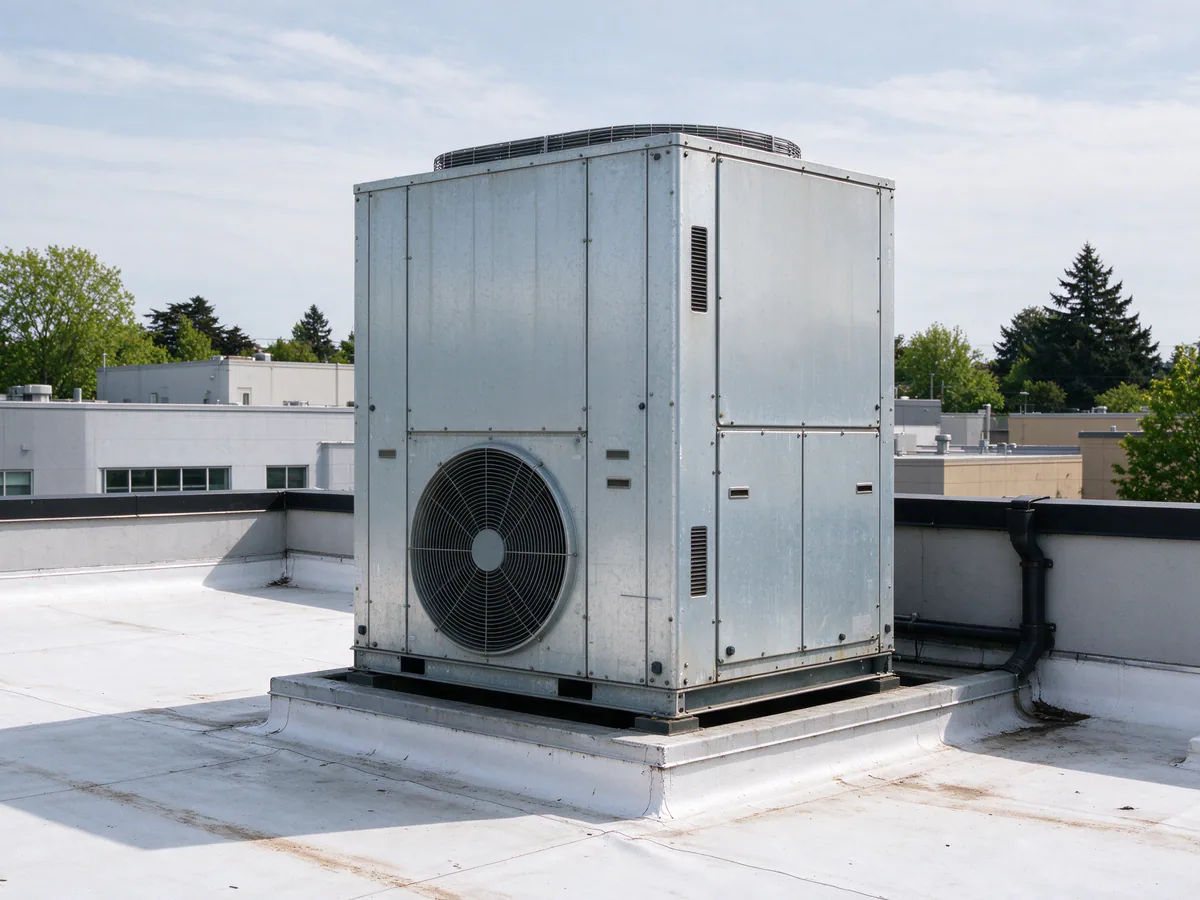
Commercial heat pumps
Rooftop and split systems for small buildings.
// WHY THIS APPROACH
Sized to the house, priced in the open
A load calculation, not the old nameplate
Seattle's energy code requires Manual J loads and Manual S equipment selection. The size of the furnace you have now says little about how much heat your house loses on a 24°F night, especially after new windows or insulation.
The ducts get tested before equipment is chosen
A heat pump delivers cooler supply air than a gas furnace, so it needs more airflow to carry the same heat. Static pressure and leakage readings decide whether your ducts can carry it as they are.
Advice that depends on your utility
At City Light's rate a heat pump beats a 95% gas furnace once it averages a COP of about 2.2. At PSE's electric rate it needs about 3.4. That gap decides whether keeping the furnace as backup pays off.
Ranges published, rebates sourced
Every price range and incentive on this site names its source and what it covers. Quotes for the same house can vary by thousands of dollars, and a sourced reference makes them easier to compare.
// HOW A JOB RUNS
From the first call to a commissioned system
- FIRST CALL
Your house and your goals
What you heat with now, which utility serves you, the rooms that run cold or hot, and whether you want to keep the furnace.
- ASSESSMENT
Load and duct numbers
A room-by-room load calculation, duct static pressure, electrical panel capacity, and an outdoor-unit location that meets Seattle's noise limits.
- INSTALLATION
Permits, then the work
Refrigeration and electrical permits, a nitrogen pressure test on the line set, a deep vacuum, then charge, controls and condensate.
- COMMISSIONING
Verified, then explained
Airflow, refrigerant charge, defrost and the backup heat lockout are checked, and someone walks you through the thermostat.
Get a number for your houseTell us about the home, the system you have now and what you want to change.
Get an Estimate// WHAT IT COSTS
Seattle-area heat pump price ranges
These are typical budgeting ranges for Seattle-area projects, not quotes, and a particular house can land outside them in either direction.
Ducted installation
$6,700–$20,000- Outdoor unit plus matched indoor coil or air handler
- Line set, pad, condensate drain, thermostat
- Assumes the existing ducts are usable
Heat pump replacement
$6,700–$15,000- Swap of an existing ducted heat pump
- Line set reused where it tests sound
- Refrigerant change can add indoor coil work
Oil tank, fill in place
$700–$3,000- Pump-out, cleaning and inert fill
- Plus the $184 Seattle Fire Department permit
- Removal and any leak cleanup priced separately
// THE REAL DECISION
Heat pump only, dual fuel, or furnace plus AC?
| Furnace + new AC | Dual fuel (heat pump + furnace) | All-electric heat pump | |
|---|---|---|---|
| Heating source | Gas all winter | Heat pump most hours, gas below a set outdoor temperature | Heat pump, with electric backup that code keeps off above 40°F |
| Usually fits when | Rarely, since a heat pump cools as well as an AC does | You buy electricity from PSE, or the furnace is fairly new | You buy electricity from City Light, or the furnace is near the end |
| Ducts | Existing airflow is usually enough | Must carry heat pump airflow | Must carry heat pump airflow |
| Check first | Furnace age and AC sizing | Changeover temperature and coil match | Heating load at 24°F and panel capacity |
For gas customers inside Seattle, the gas comes from PSE but the electricity comes from City Light, which is why the math differs from the Eastside.
// SERVICE AREAS
Where Seattle is converting fastest
Heat pump trade permits on single-family homes and duplexes, over the most recent three years of City of Seattle open data.
| Area | Utility | Permits | Local angle |
|---|---|---|---|
| Northeast Seattle | City Light | 2,320 | Mid-century forced-air homes and the city's largest share of oil heat |
| West Seattle | City Light | 2,274 | The most oil-heated households of any district, salt air on the Sound side |
| Wallingford, Fremont & Green Lake | City Light | 1,797 | Pre-war houses, tight side yards and noise review |
| Ballard | City Light | 1,615 | Ducted bungalows beside new townhomes |
| Bellevue | PSE | n/a | PSE rates make dual fuel worth a close look |
| Shoreline & Lake Forest Park | City Light | n/a | City Light rates, but outside Seattle's oil rebate |
// QUESTIONS
Seattle heat pump questions, answered
Will a heat pump keep my Seattle house warm in winter?
For most houses, yes. Seattle's heating design temperature is 24°F, and Sea-Tac averages about one night a year at 20°F or colder. A heat pump sized to a proper load calculation carries the house through nearly every winter hour, and Seattle code keeps electric backup heat off above 40°F so it only helps on the coldest nights.
Can I keep my gas furnace and add a heat pump?
Yes. In a dual fuel setup the heat pump replaces the air conditioner's outdoor unit and does most of the heating, and the furnace takes over below an outdoor temperature you choose. It makes the most sense on PSE electric rates or when the furnace still has years left. Inside Seattle, City Light's lower rate often favors going all-electric.
Will my existing ducts work with a heat pump?
Often, but it has to be measured. A heat pump needs more airflow than a gas furnace to deliver the same heat, so undersized returns or leaky runs can leave rooms cool and make the blower loud. A static pressure test and a look at the return side tell you whether the ducts need small fixes, partial rework or replacement.
Do I need an electrical panel upgrade?
Not always. It depends on the size of your service, what already runs on it, and whether electric backup heat is part of the design. A load calculation for the panel answers it. When an upgrade from 100 to 200 amps is needed, Seattle-area projects typically budget about $1,333 to $4,500 plus the electrical permit.
What heat pump rebates are available in Seattle?
City Light offers contractor discounts of $300 or $600 on qualifying heat pumps, and Seattle Clean Heat takes $2,000 off an oil-to-heat-pump conversion with qualifying equipment, plus $4,000 more for moderate-income households while the program's current funding lasts. PSE runs separate programs in its suburban territory. Amounts change, so confirm before you sign.
Is the federal heat pump tax credit still available?
No. The federal 25C credit, which covered 30% up to $2,000 for heat pumps, does not apply to equipment placed in service after December 31, 2025. Washington's federal IRA rebate programs had not launched so current savings come from City Light, Seattle, PSE and state-funded local programs.
How loud is the outdoor unit, and where can it go?
Seattle's noise code limits residential equipment to 45 dBA at the property line at night. In a side yard, Seattle requires a noise review, and a predicted level at or under 47 dBA on the heating rating passes. Otherwise a barrier, a compressor blanket or a different spot is needed. On tight lots, siting is often the first design decision.
How much does heat pump installation cost in Seattle?
For a ducted system on usable existing ducts, Seattle-area projects typically fall between about $6,700 and $20,000. Duct changes, a panel upgrade, an air handler swap or a long line set push a job higher. A higher efficiency tier can raise the price and also qualify for City Light's larger discount.
// NEXT STEP
Find out what your house actually needs
Call, or send a few details about the home and the system you have now. Your answers shape the assessment, so the estimate reflects your house instead of a generic package.