Service Area
Furnace-to-Heat-Pump Conversions in Greenwood and Northwest Seattle, WA
Last Updated
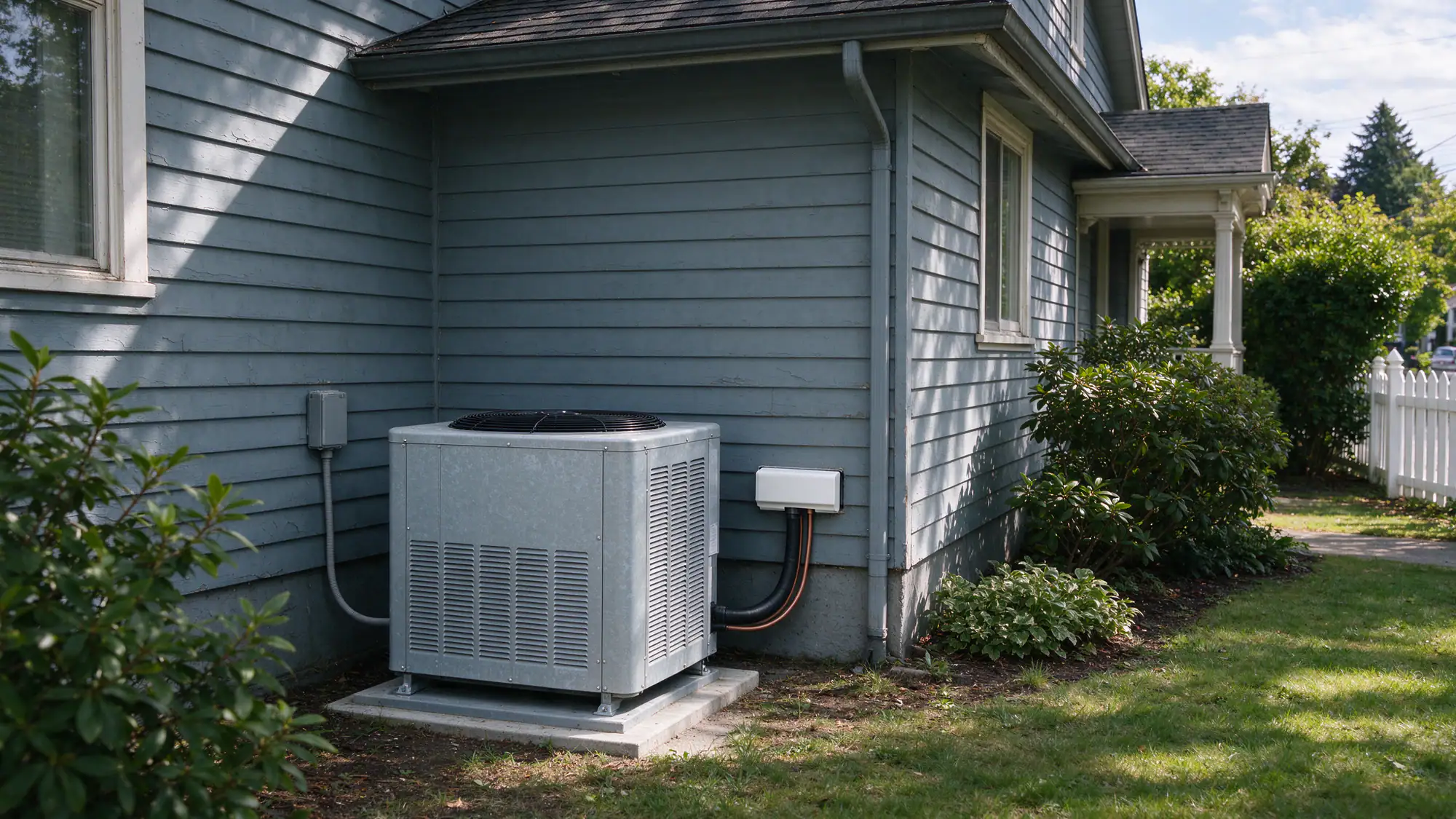
Most heat pump projects in Greenwood and Northwest Seattle replace a gas furnace on ducts that already work, so the real decision is what happens to the furnace: retire it for an all-electric air handler, or keep it as backup in a dual fuel system. The Seattle Heat Pump Company plans both kinds of furnace-to-heat-pump conversion across Greenwood, Crown Hill, Broadview, Blue Ridge and Bitter Lake, and licensed and insured contractors install them.
City of Seattle open data shows 1,599 single-family heat pump trade permits in the Northwest district over the latest three years of records. Greenwood alone filed 612, the second-highest count of any Seattle neighborhood. About 26.5% of the district’s permits named ducted equipment, and in Broadview and Blue Ridge roughly a third did.
A postwar furnace district
Census data puts about 43% of the district’s homes before 1960 and only about 21% before 1940, with a median build decade in the 1960s. That is a younger stock than Ballard or Wallingford, and it shows in the permits. North Beach and Blue Ridge filed 322 heat pump permits, 114 of them naming ducted equipment; Broadview filed 318, with 103 ducted. Those shares sit near the top for Seattle. Houses built in the decades after the war were commonly heated by a central forced-air furnace, and where that system is still in place, the ducts give a heat pump a head start.
About 38% of district households heat with gas and about 766 still use oil, around 3.4%. Most of the decisions on this page apply to the gas homes. Oil homes follow the oil to heat pump conversion path, with a tank decommissioning permit added.
Option one: retire the furnace
An all-electric conversion removes the gas furnace and puts an electric air handler in its place, connected to the outdoor heat pump. The air handler holds the indoor coil and blower, and usually a bank of electric resistance heat for backup. Seattle’s energy code requires controls that keep that backup heat off above 40°F, with the lockout set at 35°F or below at final inspection, so the strips act as a safety net rather than a second heating system. The backup heat settings guide explains how those limits are configured.
This route usually makes sense when the furnace is old, when its blower is too weak for heat pump airflow, or when you want to close the gas account. It does put more load on the electrical panel, since resistance strips draw a lot of current. A 100A to 200A upgrade typically adds about $1,333 to $4,500 in the Seattle area though some houses avoid it with a smaller strip size or a load calculation that shows the panel has room. National figures for an air handler alone run about $1,500 to $4,200 (HomeGuide and Carrier). See air handler replacement for what goes into that choice.
Option two: keep the furnace
A dual fuel heat pump adds a heat pump coil on top of the existing gas furnace and lets a thermostat choose between them. The heat pump carries the house most of the year, and the furnace takes over below a set outdoor temperature.
The economics in City Light territory are worth spelling out. At the current Seattle rate of 13.38 cents per kWh and PSE gas at about $1.67 a therm, a heat pump beats a 95% efficient gas furnace on energy cost whenever it runs above a coefficient of performance of about 2.2. A modern heat pump stays above that through most of a Seattle winter, and Sea-Tac sees only about 25 nights a year at or below freezing. So the furnace in a dual fuel system here rarely runs for cost reasons; it runs as backup, or for owners who prefer combustion heat on the coldest nights.
That makes the furnace’s own condition the deciding factor. A furnace in good shape with a blower strong enough for heat pump airflow is a sensible partner. An aging furnace ties a new heat pump to an old appliance that may need repairs or replacement soon, and an air handler is usually the better spend. Note that PSE’s hybrid heat pump rebate requires PSE electric service as well as gas, so it does not apply to Greenwood homes on City Light. The heat pump vs gas furnace guide sets out the comparison in more depth.
Either way, the ducts get tested
Postwar duct systems are often in reasonable shape, but they were sized for a furnace’s hot supply air. A static pressure test with the blower running shows whether the ducts can carry the higher airflow a heat pump needs. Undersized returns, crushed flex runs in crawlspaces and leaky joints are the common findings. Where a house has been expanded with an added room or a finished basement, the far end of the system may already be starved for air. Using a heat pump with existing ductwork explains how the readings decide between sealing, adding a return or resizing a trunk.
Sizing comes first, though. Seattle requires a room-by-room ACCA Manual J load for a 24°F design day, with equipment no larger than the load demands. A furnace’s nameplate is not a guide, because furnaces were commonly oversized and many houses have since been insulated.
Bluff homes above the Sound
The district’s western edge, from Carkeek Park through Blue Ridge and Broadview, sits on bluffs above Puget Sound. Those houses face onshore wind that carries salt, which corrodes outdoor coil fins faster than inland air. Mitsubishi Electric offers coil coatings and seacoast packages on some outdoor units, and Carrier advises washing coastal units about every three months. With no published distance threshold, a water-facing lot is treated as coastal and the unit is placed on the sheltered side where possible.
Permits, discounts and running costs
Inside Seattle, the split system needs a refrigeration permit pulled by a licensed refrigeration contractor, an electrical permit and, when the furnace is replaced or modified, a furnace permit. SDCI’s current fees for a typical job run about $192 to $556. Seattle’s noise limit of 45 dBA at the property line at night applies year-round, and side-yard units go through a noise review.
City Light’s contractor discount is $300 or $600 on qualifying equipment, one system per home. The operating cost guide estimates what a converted house spends to heat and cool, and the full scope is on our furnace to heat pump conversion page. Neighbors to the north in Shoreline and Lake Forest Park pay City Light’s suburban rate and fall under different rebate rules.
Around Greenwood & Northwest Seattle
Neighborhoods
- Greenwood
- Crown Hill
- Broadview
- North Beach/Blue Ridge
- Bitter Lake
- Carkeek Park
- Bitter Lake
- Greenwood Ave business district
- Blue Ridge
- SR 99 / Aurora Ave N
- Greenwood Ave N
- Holman Rd NW
- N 85th St
- 3rd Ave NW
- Seattle City Light (electric), PSE (gas)
- Seattle Department of Construction & Inspections
Services in Greenwood & Northwest Seattle
Greenwood & Northwest Seattle heat pump questions
What does it cost to replace a gas furnace with a heat pump in Greenwood?
Seattle-area ducted heat pumps on usable ducts typically run about $6,700 to $20,000 with no separate Greenwood band. Replacing the furnace with an electric air handler sits in that range; national figures for an air handler alone run about $1,500 to $4,200. Panel work or duct changes add to it. These are budgeting ranges, not quotes.
Should I keep my gas furnace as backup?
On City Light rates a modern heat pump costs less to run than a gas furnace through almost all Seattle weather, so backup is about the furnace's age and your comfort with an all-electric house. A furnace with plenty of service life left and a strong blower is a reasonable dual fuel partner. One near the end of its life is usually better replaced with an air handler.
Can I get the PSE hybrid heat pump rebate in Greenwood?
No. PSE's hybrid rebate requires both PSE gas and PSE electric service, and Greenwood homes buy electricity from Seattle City Light. City Light's $300 or $600 contractor discount applies instead. PSE's income-qualified gas-to-heat-pump rebate of $4,000 may cover Seattle gas customers; confirm with PSE before counting on it.
What temperature should a dual fuel system switch to gas?
In City Light territory the economic switch point is low, because a heat pump only needs a coefficient of performance of about 2.2 to beat a 95% furnace. That usually puts the changeover below freezing, but the exact setting depends on the heat pump's capacity at that temperature and the house's load, which the design calculates.
My Broadview house looks out over the Sound. Is salt air a concern?
Bluff-top homes in Broadview and Blue Ridge face onshore wind that carries salt. Manufacturers handle this with coated coils or seacoast packages on some outdoor units, and Carrier recommends washing coastal units about every three months. Setting the unit on the inland side of the house reduces exposure.
Related guides
Nearby service areas
Compare dual fuel and all-electric for your houseTell us about the house and the system you have now.
Get an Estimate